Flags of Europe
This page shows 57 flags of Europe, including sovereign countries, the four UK nations and territories such as Gibraltar and the Faroe Islands. Click a flag to see its meaning and history.
🎯 Take the European flags quiz
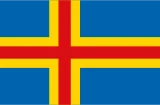 Åland Islands Mariehamn
 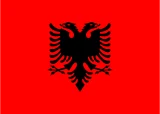 Albania Tirana
 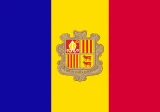 Andorra Andorra la Vella
 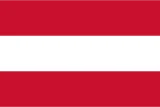 Austria Vienna
 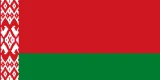 Belarus Minsk
 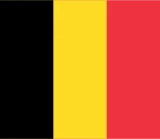 Belgium Brussels
 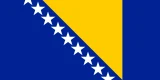 Bosnia & Herzegovina Sarajevo
 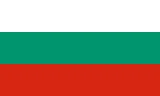 Bulgaria Sofia
 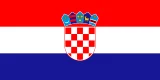 Croatia Zagreb
 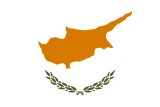 Cyprus Nicosia
 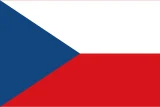 Czech Republic Prague
 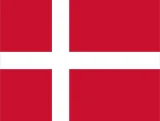 Denmark Copenhagen
 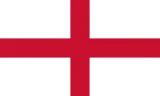 England London
 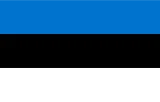 Estonia Tallinn
 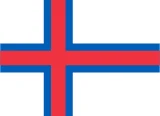 Faroe Islands Tórshavn
 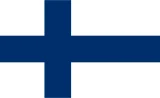 Finland Helsinki
 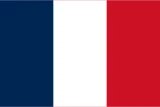 France Paris
 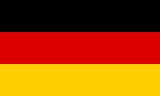 Germany Berlin
 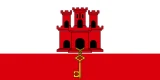 Gibraltar Gibraltar
 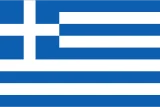 Greece Athens
 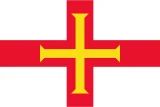 Guernsey Saint Peter Port
 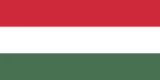 Hungary Budapest
 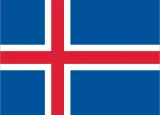 Iceland Reykjavík
  Ireland Dublin
 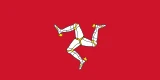 Isle of Man Douglas
 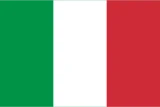 Italy Rome
 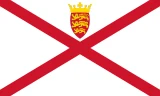 Jersey Saint Helier
 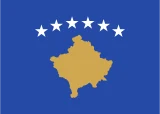 Kosovo Pristina
 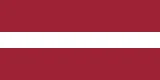 Latvia Riga
 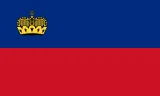 Liechtenstein Vaduz
 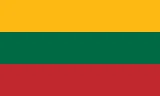 Lithuania Vilnius
 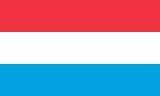 Luxembourg Luxembourg
 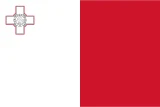 Malta Valletta
 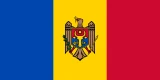 Moldova Chișinău
 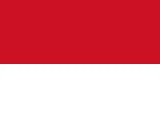 Monaco Monaco
 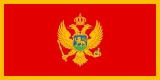 Montenegro Podgorica
 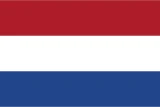 Netherlands Amsterdam
 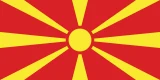 North Macedonia Skopje
  Northern Ireland Belfast
 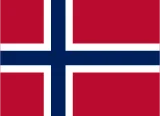 Norway Oslo
 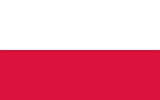 Poland Warsaw
 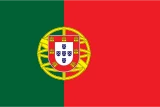 Portugal Lisbon
 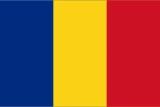 Romania Bucharest
 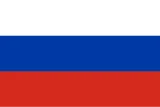 Russia Moscow
 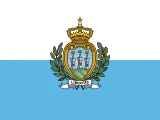 San Marino San Marino
 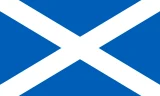 Scotland Edinburgh
 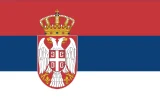 Serbia Belgrade
 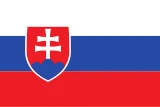 Slovakia Bratislava
 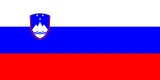 Slovenia Ljubljana
 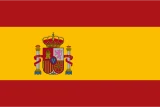 Spain Madrid
 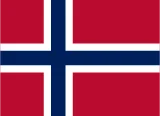 Svalbard & Jan Mayen
 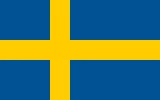 Sweden Stockholm
 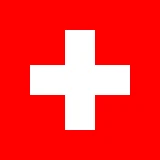 Switzerland Bern
 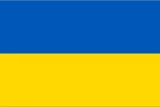 Ukraine Kyiv
 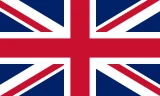 United Kingdom London
 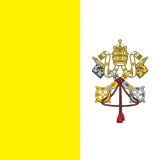 Vatican City Vatican City
 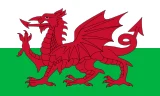 Wales Cardiff
 Colors and symbols on European flags
Two designs define Europe. The first is the tricolor, three equal bands in vertical or horizontal order: France, Italy, Germany, Ireland, the Netherlands, Belgium, Romania, Bulgaria, Hungary and many more. The French tricolor, born in the Revolution, inspired a large share of them.
The second is the cross. Nordic countries (Denmark, Sweden, Norway, Finland and Iceland) all use an off-center cross, and the Faroe Islands and Åland Islands do too. Switzerland has a white cross on red, and the United Kingdom flag layers the crosses of Saint George, Saint Andrew and Saint Patrick.
The Pan-Slavic colors, red, white and blue, appear on Russia, Slovakia, Slovenia, Serbia, Croatia and the Czech Republic. Many flags also carry coats of arms, such as Spain, Portugal, Albania (a double-headed eagle) and Malta (the George Cross).
Oldest and newest European flags
Denmark's Dannebrog, a white cross on red, is widely considered the oldest national flag still in use, with a tradition going back to the 13th century. The Dutch red, white and blue tricolor and the cross flags of the UK nations also have long histories.
The newest flags come from the 1990s and 2000s breakup of Yugoslavia and the Soviet Union. Kosovo adopted its flag in 2008, with a gold map of the country under six white stars. Montenegro (2004), North Macedonia (1995, a yellow sun on red) and Bosnia and Herzegovina (1998, a yellow triangle with white stars) all changed designs in this period. Germany's black, red and gold returned for good in 1949 in the west and 1990 for the whole country.
Look-alike flags people confuse
Some European flags are almost twins. Luxembourg and the Netherlands both use red, white and blue stripes, but Luxembourg's blue is light. Romania and Andorra are blue-yellow-red tricolors that are hard to tell apart without Andorra's coat of arms, and Chad in Africa matches them too. Ireland's green, white and orange looks like Italy's green, white and red, and Ivory Coast in Africa is Ireland's mirror image. Russia, Slovenia and Slovakia share the same stripes, separated by the emblems added to the last two. Poland is a white over red flag, which is simply Indonesia's upside down.
Denmark and Norway are often confused since both have crosses on a bright field, but Denmark's is white on red and Norway adds a blue inner cross. Squares are rare: only Switzerland and Vatican City have square national flags. For other regions, see Asia or the full list of flags of the world.
Frequently asked questions
What is the official flag of Europe?
The flag associated with Europe is a circle of 12 gold stars on a blue field. It was adopted by the Council of Europe in 1955 and by the European Union later. It represents the EU and Council of Europe rather than the whole continent, so it does not appear in this list of national flags.
Why does the EU flag have 12 stars?
The number 12 is a symbol of completeness and unity, not a count of member states. The design has stayed the same as the EU has grown.
Why are the Danish and Norwegian flags similar?
Both belong to the Nordic cross family. Norway was in union with Denmark for centuries and used the Danish flag, and its current flag (1821) keeps the Danish red field and offset cross layout, with a blue cross bordered in white.
How many countries are in Europe?
Estimates differ with the border and recognition (Russia, Turkey, Cyprus and the Caucasus are the tricky cases). This page lists 57 flags in total, which include the UK nations of England, Scotland, Wales and Northern Ireland, and territories such as Gibraltar, Jersey and Guernsey.
Which countries have a Nordic cross on their flags?
Denmark, Sweden, Norway, Finland and Iceland all use the Nordic cross, an off-center cross with the vertical bar shifted toward the hoist. The Faroe Islands and Åland Islands use it too. Denmark's Dannebrog is the oldest of this kind still in use.
What are the Nordic 5 countries?
The five Nordic countries are Denmark, Finland, Iceland, Norway and Sweden. Their national flags all show an off-center cross, which is why the nordic cross flags look like a family.
What are the six Scandinavian countries?
Scandinavia most commonly means just three countries: Denmark, Norway and Sweden. In English the word is often used for all five Nordic countries, adding Finland and Iceland, and the Faroe Islands are sometimes included, so there is no fixed list of six.
Other continents
African flags · Asian flags · North American flags · South American flags · Oceanian flags