Flag of Italy
The Italian flag, known as il Tricolore, has three equal vertical bands of green, white and red, with green at the hoist. It dates back to 1797 and has been the flag of the Italian Republic since 1946.
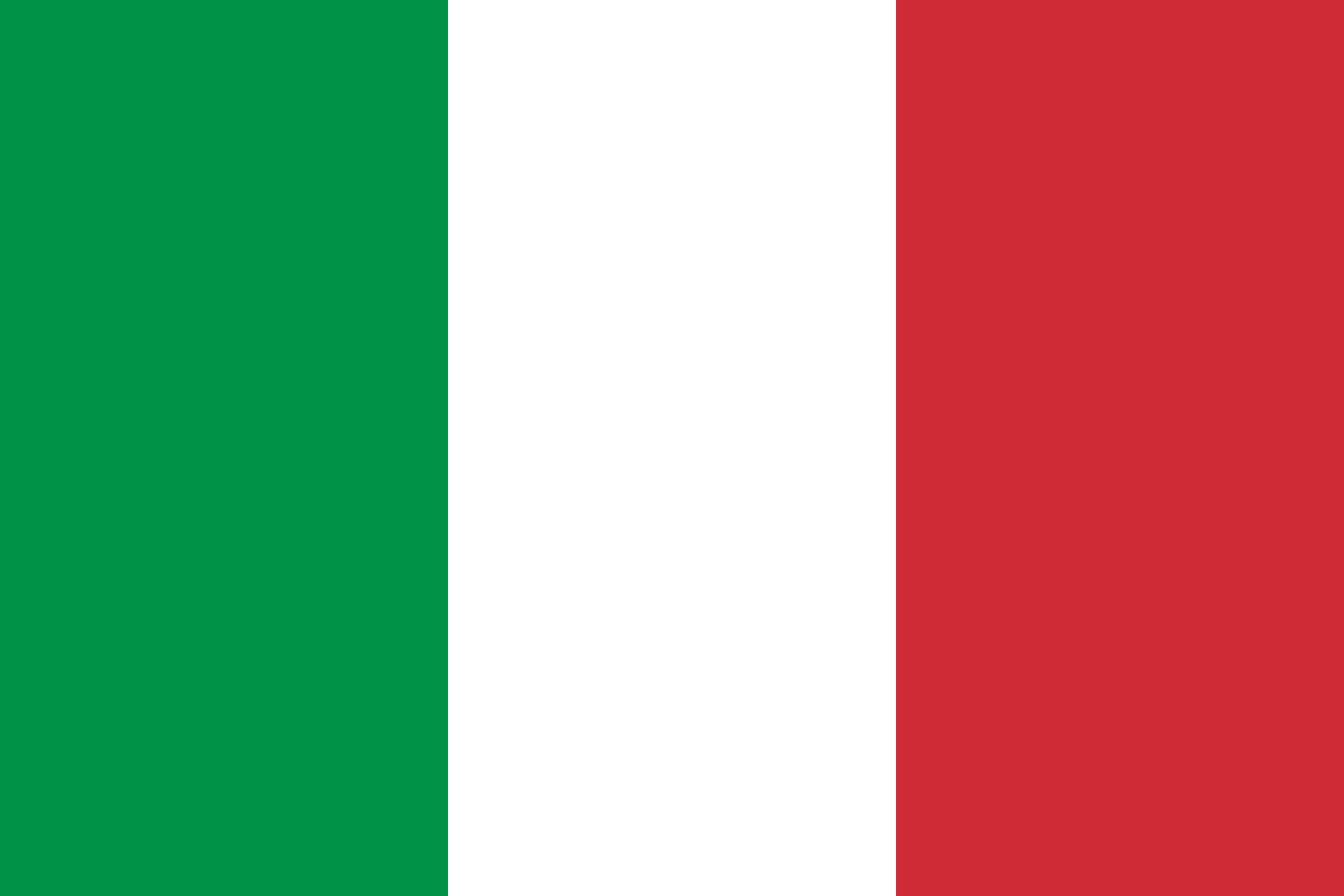
What the flag of Italy looks like
The flag of Italy is a plain vertical tricolor. Three bands of equal width run from the hoist to the fly: green, white and red, in that order. The proportions are 2:3, and there is no emblem, badge or border of any kind. The Constitution describes it in a single line: the flag of the Republic is the Italian tricolor, with green, white and red in three vertical bands of equal size.
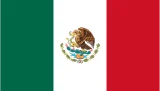
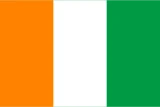
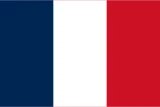
Because the design is so simple, it is often confused with other flags. Mexico uses the same colors but adds its coat of arms to the white band and has darker green. Ireland's flag replaces red with orange, and Hungary's flag is horizontal red, white and green. Ivory Coast's flag looks like Ireland's in reverse, with orange at the hoist and green at the fly.
Italy flag colors
Color codes measured from the official design. Use HEX for the web and CMYK for print.
HEX
#FFFFFFRGB
255, 255, 255CMYK
0, 0, 0, 0 HEX
#009246RGB
0, 146, 70CMYK
100, 0, 52, 43 HEX
#CE2B37RGB
206, 43, 55CMYK
0, 79, 73, 19 Italian flag colors and meaning
There is no official meaning for the Italian colors, but several explanations are repeated. A common one says that green stands for the country's plains and hills, white for the snow of the Alps and red for the blood of those who fought in the wars of unification. Another version attributes them to the three theological virtues, with green for hope, white for faith and red for charity. This reading was popular in the 19th century.
The more historical explanation is practical. In 1796 the Lombard Legion, formed in Milan under Napoleon, received a green, white and red banner: white and red were the colors of Milan's coat of arms, and green was the color of the Milanese civic guard's uniforms. Combining them produced a French-style tricolor in Italian colors. The color scheme was a political statement before it had a settled meaning: it stood for the revolutionary idea of a united, free Italy.
History of the Italian flag
The first Italian tricolor was adopted on 7 January 1797 in Reggio Emilia by the Cispadane Republic, a short-lived state created under French protection. The day is now celebrated as Tricolore Day. In the following years it was flown by other Napoleonic republics in northern Italy and by the Kingdom of Italy (1805-14).
After the fall of Napoleon the tricolor was banned in many of the restored states and became a symbol of the movement for unification, the Risorgimento. It was carried in the revolts of 1820-21, 1831 and 1848. In March 1848 King Charles Albert of Sardinia put the tricolor, with the royal arms of the House of Savoy, at the head of his army in the first war against Austria. When the Kingdom of Italy was proclaimed in 1861 the flag, now with the white cross of Savoy on a red shield in the middle, became the national flag.
That is the answer to a question many people ask about the old Italian flag: until 1946 it carried the Savoy coat of arms in the white band, topped by a crown on the state version. After the referendum of 2 June 1946 abolished the monarchy, the arms were dropped, and the plain tricolor became the flag of the Republic in June 1946. The 1948 Constitution confirmed it in Article 12.
How the Italian flag is used
The tricolor flies over public buildings and at military ceremonies, and Italians celebrate it on Tricolore Day, 7 January. Italy's national football team plays in blue, not in the flag's colors, a tradition inherited from the House of Savoy.
To see the flag as an emoji, visit the Italy flag emoji page.
Italy flag facts
| Country | Italy |
|---|---|
| Flag adopted | June 19, 1946 |
| Proportions | 2:3 |
| Colors | #FFFFFF, #009246, #CE2B37 |
| Symbols | field |
| Flag emoji | 🇮🇹 |
| Country code | IT, ITA (ISO 3166) |
| Capital | Rome |
| Continent | Europe |
| Population | 58,850,717 |
| Area | 302,068 km² |
| National anthem | Il Canto degli Italiani |
Italy flag: frequently asked questions
What do the Italian flag colors mean?
There is no official meaning. A popular reading is green for the plains, white for the Alpine snow and red for blood shed in battle, or alternatively hope, faith and charity. The colors originally came from Milanese and Napoleonic-era uniforms.
What did the old Italian flag look like?
From 1861 to 1946 the flag was the same tricolor with the royal coat of arms of the House of Savoy, a shield with a white cross on red (crowned on the state flag), in the center of the white band.
When did Italy remove the cross from the flag?
When the monarchy was abolished in 1946, the Savoy shield with its white cross was removed. The plain green, white and red tricolor was adopted as the flag of the Italian Republic.
Why are the Mexican and Italian flags so similar?
Both come from the tradition of the French tricolor and the revolutionary movements of that era. They are not copies of each other: Mexico's flag has its own coat of arms and different shades.
Which flag looks like Italy's but is horizontal?
Hungary's flag has red, white and green horizontal stripes, which is the closest horizontal match in colors, though Hungary's order is reversed.