Flag of the Netherlands
The Netherlands flag, also called the Dutch flag, is a horizontal tricolor of bright red, white and blue. It descends from the orange, white and blue flag of William of Orange and is one of the oldest tricolors in the world.
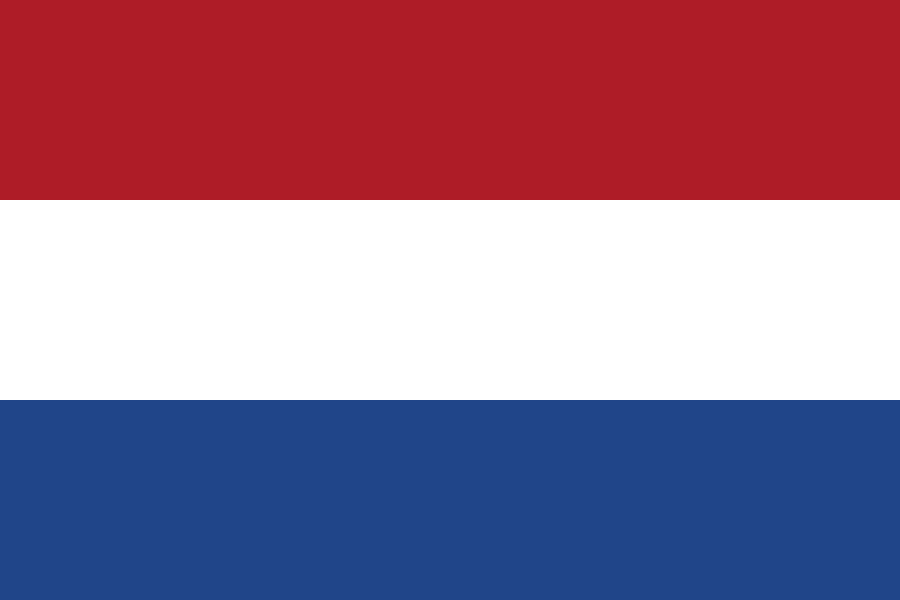
What the flag of the Netherlands looks like
The flag of the Netherlands has three horizontal stripes of equal height: red at the top, white in the middle and blue at the bottom. The proportions are 2:3. A royal decree of 1937 set the red as a bright vermilion and the blue as a cobalt blue, rather than a darker shade.
There is no emblem, and the design is the same on land and at sea, which makes it a plain tricolor. The simplicity is the reason it is often confused with other red, white and blue flags. In English it is called both the Dutch flag and the Netherlands flag, and "Holland flag" is a common informal name for the same flag.
See the standard version as the Netherlands flag emoji, or get a copy from the download page.
Netherlands flag colors
Color codes measured from the official design. Use HEX for the web and CMYK for print.
HEX
#AE1C28RGB
174, 28, 40CMYK
0, 84, 77, 32 HEX
#21468BRGB
33, 70, 139CMYK
76, 50, 0, 45 HEX
#FFFFFFRGB
255, 255, 255CMYK
0, 0, 0, 0 Dutch flag colors and meaning
The colors have no single official meaning. They originated as the livery of William of Orange (Willem van Oranje), the leader of the Dutch Revolt against Spain in the 16th century, whose colors were orange, white and blue. In popular readings, red is linked to courage and bravery, white to peace and faith, and blue to loyalty and vigilance, but these explanations were added later.
Orange is still important in Dutch national symbolism. The royal family, the House of Orange-Nassau, takes its name from the principality of Orange, and the color appears on the national football team's shirts and at festivals such as King's Day (27 April). On those days and at royal occasions, people often fly an orange pennant above the flag.
History of the Dutch flag
The ancestor of the Dutch flag is the Prince's Flag (Prinsenvlag), an orange-white-blue horizontal tricolor used from about 1572 by the rebels fighting Spanish rule under William of Orange. It was based on his coat of arms and his livery. The flag spread through the Dutch Republic and was carried by the ships of the Dutch East India Company.
In the course of the 17th century, the orange stripe was gradually replaced by red. The most common explanation is that orange dye faded quickly in sunlight and salt water and looked red or yellowish, so red was a more reliable color. Red was also easier to see at sea. By the mid-17th century, the red, white and blue Statenvlag (States flag) was the standard for the Republic, though the orange version continued to be used by supporters of the House of Orange.
The tricolor was kept by the Batavian Republic (1795-1806) under French influence, with the addition of the Dutch Maiden and other emblems on some versions. Under Napoleon's brother Louis, the Kingdom of Holland used a similar flag. When the Netherlands regained independence in 1813, the tricolor came back, and it has been used since then.
The flag was formally fixed on 19 February 1937 by a royal decree of Queen Wilhelmina, which established red (not orange) as the official color of the top stripe and specified the shades. It was meant to end a long debate on whether orange should return.
Flags that look like the Dutch flag
The Dutch flag is often confused with several others:
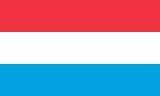
- Luxembourg has the same stripe order, but a lighter sky blue and a longer ratio of 3:5.
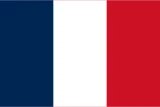
- France uses the same three colors in vertical stripes, in the order blue, white and red. The Dutch tricolor is older, and the French one came with the Revolution in 1789.
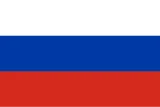
- Russia has white, blue and red horizontal stripes. The Russian flag is said to have been inspired by the Dutch one during the time of Peter the Great.
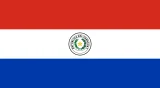
- Paraguay has red, white and blue stripes with an emblem in the center.
The Kingdom of the Netherlands also includes Aruba, Curaçao and Sint Maarten in the Caribbean, which each have their own flags. The Dutch tricolor is the flag of the European Netherlands and also flies over the Caribbean municipalities of Bonaire, Sint Eustatius and Saba, which have their own local flags too.
Netherlands flag facts
| Country | Netherlands |
|---|---|
| Flag adopted | February 19, 1937 |
| Proportions | 2:3 |
| Colors | #AE1C28, #21468B, #FFFFFF |
| Symbols | field |
| Flag emoji | 🇳🇱 |
| Country code | NL, NLD (ISO 3166) |
| Capital | Amsterdam |
| Continent | Europe |
| Population | 17,100,715 |
| Area | 42,201 km² |
| Currency | United States dollar, Aruban florin |
| National anthem | Wilhelmus |
Netherlands flag: frequently asked questions
Is the Dutch flag the same as the Netherlands flag?
Yes. "Dutch flag" and "Netherlands flag" are two names for the same red, white and blue tricolor. "Holland flag" is also used informally for it.
Why is orange not on the Dutch flag?
The original flag was orange, white and blue. Orange dye faded quickly and looked red, so red replaced it in the 17th century. Orange is still used for pennants and on royal occasions.
Why are the French and Dutch flags so similar?
Both are tricolors of red, white and blue. The Dutch one is older and horizontal, while the French one is vertical and dates from the Revolution of 1789.
Is it Holland, Dutch or the Netherlands?
The Netherlands is the official country name. Holland is a region made up of the provinces North and South Holland that is often used as a nickname, and Dutch is the adjective and the language.
How do the Dutch and Luxembourg flags differ?
Luxembourg's flag has a lighter blue and is longer, with a ratio of 3:5 instead of 2:3. The Dutch flag has a darker cobalt blue and a brighter red.