Flag of Ireland
The Irish flag, known as the tricolour, has three equal vertical stripes of green, white and orange, with green at the hoist. The white is meant as a sign of peace between the Gaelic and Protestant traditions of the island.
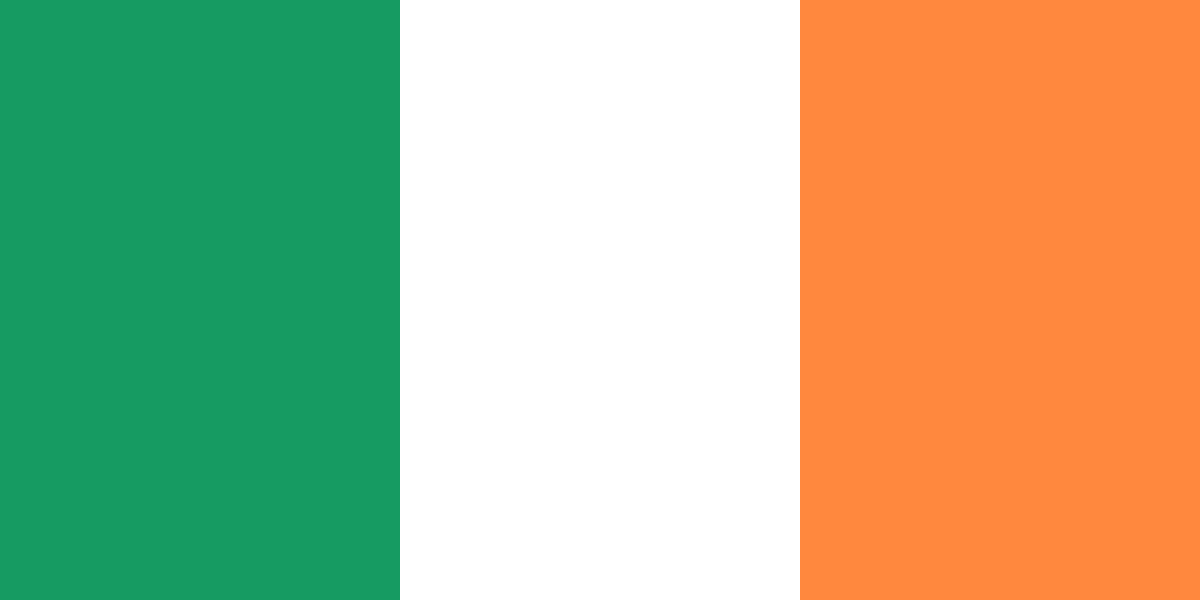
What the flag of Ireland looks like
The flag of Ireland has three vertical stripes of the same width: green next to the flagpole, white in the middle and orange on the fly side. The proportions are 1:2, so the flag is twice as wide as it is tall. There is no emblem, text or other decoration. It is usually called the tricolour.
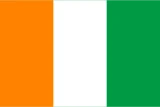
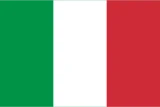
Because of its colors, the Irish flag is sometimes confused with the flag of Ivory Coast, which is orange, white and green with the orange at the hoist and a 2:3 ratio. It also resembles the flag of Italy in layout, though not in color: Italy's third color is red. The Ireland flag emoji keeps the same three stripes, and the flag can be downloaded from the Ireland flag download page.
Ireland flag colors
Color codes measured from the official design. Use HEX for the web and CMYK for print.
HEX
#169B62RGB
22, 155, 98CMYK
86, 0, 37, 39 HEX
#FFFFFFRGB
255, 255, 255CMYK
0, 0, 0, 0 HEX
#FF883ERGB
255, 136, 62CMYK
0, 47, 76, 0 Irish flag meaning and symbolism
The green stands for the older Gaelic and mostly Catholic tradition of Ireland, and for nationalism. The orange stands for the supporters of William of Orange, the Protestant king who defeated the Catholic James II at the Battle of the Boyne in 1690, and so for the Protestant community. The white in the middle is a symbol of lasting peace and truce between the two. Together the three stripes are an expression of the hope for unity of people of different traditions on the island.
The shade of the orange is sometimes written as gold, and on some versions it can look yellow. The flag was not given an official explanation of the colors in the Constitution, which says only that the national flag is the tricolour of green, white and orange. So the meaning is the one given by those who first raised it.
History of the Irish flag
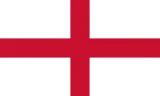
Before the tricolour, Ireland was associated with a green flag with a gold harp, which was used from the 17th century and by the United Irishmen in the 1790s. Saint Patrick's saltire, a red diagonal cross on white, was also used as a symbol of Ireland under British rule.
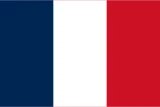
The tricolour was first presented in 1848 by Thomas Francis Meagher of the Young Ireland movement. He had seen the French tricolor during a visit to Paris, where the revolution of that year had brought it back into use, and brought it home as a gift from French women sympathetic to the Irish cause. Meagher described it as a symbol of a union between the Orange and the Green. For decades it was used by only a few groups.
The flag became widely known after the Easter Rising of 1916, when it was flown on the roof of the General Post Office in Dublin alongside a green flag reading "Irish Republic". In the following years, during the War of Independence, it was accepted as the flag of the Irish nationalist movement. The Irish Free State used it from 1922, and it was written into the Constitution of Ireland in 1937, in Article 7. Since 1949, when the state declared itself a republic, it has been the flag of the Republic of Ireland.
Are there two Irish flags?
Ireland has one national flag, the tricolour. People who ask about two flags usually mean either the older green flag with a harp or the flags of the four provinces of Ireland: Leinster, Munster, Connacht and Ulster. The provincial flags are seen mostly at sports events and cultural gatherings.
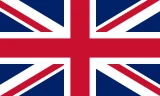
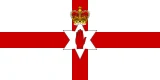
Northern Ireland is part of the United Kingdom and does not have an official flag of its own at present. The Ulster Banner, a red cross on white with a red hand and a crown, was used by the government of Northern Ireland between 1953 and 1972. The Union Flag is the official flag there. The Irish tricolour is also used by many people there who identify as Irish. The Irish national flag can be compared with those in Europe.
Ireland flag facts
| Country | Ireland |
|---|---|
| Flag adopted | December 29, 1937 |
| Proportions | 1:2 |
| Colors | #169B62, #FFFFFF, #FF883E |
| Symbols | field |
| Flag emoji | 🇮🇪 |
| Country code | IE, IRL (ISO 3166) |
| Capital | Dublin |
| Continent | Europe |
| Population | 5,149,139 |
| Area | 69,797 km² |
| National anthem | Amhrán na bhFiann |
Ireland flag: frequently asked questions
Are there two different Irish flags?
Ireland has one national flag, the green, white and orange tricolour. There is also the older green flag with a harp, and provincial flags for Leinster, Munster, Connacht and Ulster.
Are Irish Catholics green or orange?
Green is traditionally linked with Irish Catholics and nationalism, and orange with Irish Protestants and unionism. This is a historical pattern, not a rule, and the white stripe stands for peace between them.
What was the Irish Republic flag like in 1916?
It was a green flag with the words Irish Republic across it. It flew above the General Post Office in Dublin together with the tricolour during the Easter Rising.
Why is Ireland called Eire?
Eire is the name of Ireland in the Irish language. The Constitution says the name of the state is Ireland, or Eire in the Irish language.
Is there a difference between Ireland and the Republic of Ireland?
Ireland is both the island and the official name of the state. Republic of Ireland is a description used to tell the state apart from Northern Ireland, which is part of the UK.
What is the oldest flag in the world?
The flag of Denmark, the Dannebrog, is generally described as the oldest national flag still in use, with a tradition going back to the 13th century. Ireland's tricolour dates from 1848.