Flag of Liechtenstein
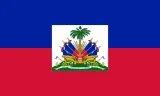
The Liechtenstein flag has two horizontal bands, blue above red, with a golden princely crown in the upper left corner. The crown was added in 1937, after officials discovered at the 1936 Olympics that the flag was identical to the Haitian civil flag.
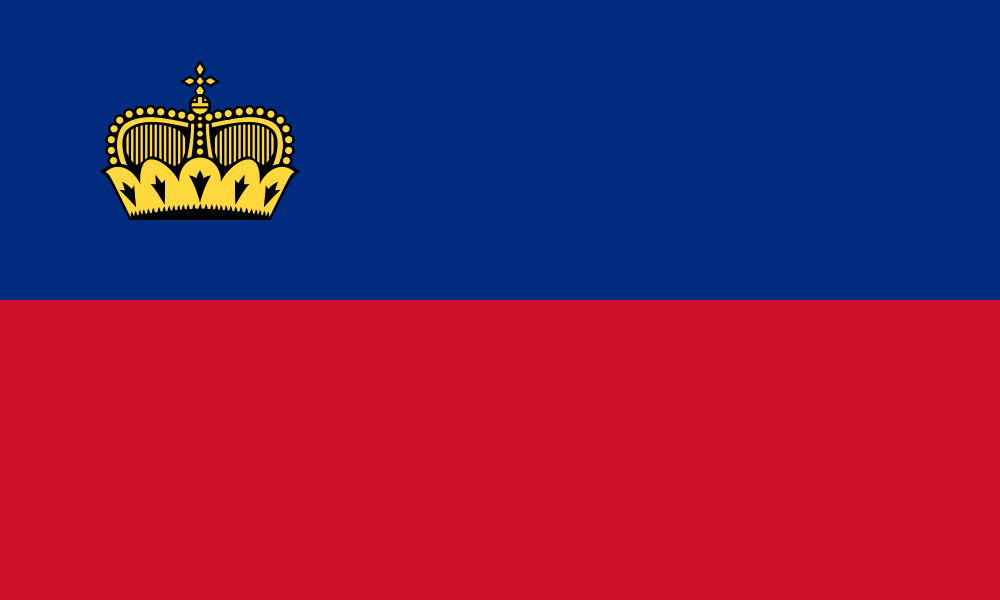
What the flag of Liechtenstein looks like
The flag of Liechtenstein is divided into two horizontal bands of equal height, with blue on top and red below. The ratio is 3:5. In the upper left corner, on the blue band and next to the pole, is a golden crown. It is the crown of the prince of Liechtenstein. A version with a modified crown was adopted on 30 June 1982.
The crown is the part of the design that sets the flag apart from other blue and red bicolors, including that of Haiti.
Liechtenstein flag colors
Color codes measured from the official design. Use HEX for the web and CMYK for print.
HEX
#CE1126RGB
206, 17, 38CMYK
0, 92, 82, 19 HEX
#002B7FRGB
0, 43, 127CMYK
100, 66, 0, 50 Liechtenstein flag meaning and symbolism
The colors of the flag are commonly explained in this way:
- Blue stands for the sky.
- Red stands for the evening fires on the hearths of the people.
The blue and red were first used as livery colors by Prince Joseph Wenzel I in 1764. The crown on the blue band signifies Liechtenstein's position as a principality, and it was added to distinguish the flag from that of Haiti.
History of the Liechtenstein flag
Liechtenstein's colors were originally the gold and red of the princely coat of arms, used on two horizontal bands. In 1852 the gold was swapped for blue, and the blue and red flag was given official status by the constitution of October 1921.
The similarity with the flag of Haiti came to light at the 1936 Summer Olympics in Berlin. Liechtenstein's flag turned out to be identical to the Haitian civil flag, which is also blue above red. The government then added the prince's crown to the canton, a change adopted on 24 June 1937. Haiti's flag today has a white panel in the center with the Haitian arms, and the Liechtenstein flag is told apart by its crown.
Liechtenstein flag vs Haiti flag
Both flags are blue over red. On the Liechtenstein flag, the crown sits in the blue band at the hoist, and the blue is a deep royal blue. The Haiti flag has a white rectangle in the center holding a palm tree and cannons, and its ratio is 3:5 as well. The two flags were identical until the crown was added to Liechtenstein's flag.
Liechtenstein flag facts
| Country | Liechtenstein |
|---|---|
| Flag adopted | 1982 |
| Proportions | 3:5 |
| Colors | #CE1126, #002B7F |
| Symbols | crown |
| Flag emoji | 🇱🇮 |
| Country code | LI, LIE (ISO 3166) |
| Capital | Vaduz |
| Continent | Europe |
| Population | 37,922 |
| Area | 160 km² |
| Currency | Swiss franc |
| National anthem | Oben am jungen Rhein |
Liechtenstein flag: frequently asked questions
Did Liechtenstein and Haiti have the same flag?
Yes, in effect. Liechtenstein's plain blue and red bicolor, in use since 1852 and given official status in 1921, was identical to the Haitian civil flag. This was noticed at the 1936 Olympics, and Liechtenstein added a crown in 1937.
What does the crown on the Liechtenstein flag mean?
It is the prince's crown and signifies Liechtenstein's position as a principality. It was added in 1937 to distinguish the flag from Haiti's.
What do the colors of the Liechtenstein flag mean?
Blue is said to stand for the sky and red for the evening fires of the hearths. These are traditional readings.
Is Liechtenstein part of Switzerland?
No. Liechtenstein is an independent principality between Switzerland and Austria. It uses the Swiss franc and has close ties with Switzerland, but it is a separate state.
What is the Liechtenstein flag emoji?
It shows the blue and red bicolor with a gold crown. See the Liechtenstein flag emoji page.