Green and Yellow Flags
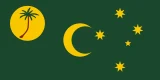
Thirty-seven flags contain green and yellow, and only the Cocos (Keeling) Islands use just those two. Most are Pan-African tricolors, plus well-known flags such as Brazil, Jamaica and Lithuania.
Flags that are only green and yellow (1)
Flags with green and yellow and other colors (36)
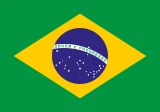 Brazil
 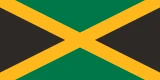 Jamaica
 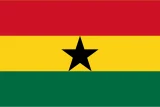 Ghana
Ghana 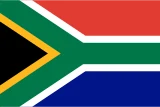 South Africa
 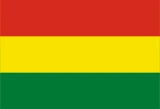 Bolivia
 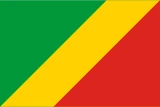 Republic of the Congo
 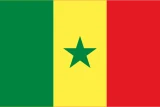 Senegal
 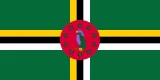 Dominica
 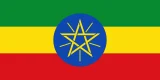 Ethiopia
 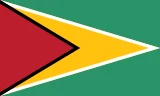 Guyana
 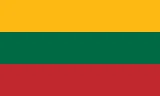 Lithuania
 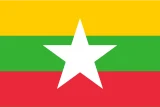 Myanmar
 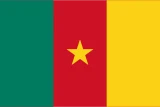 Cameroon
 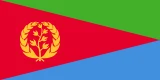 Eritrea
 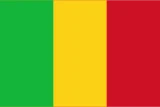 Mali
Mali 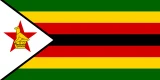 Zimbabwe
 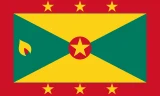 Grenada
 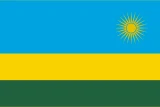 Rwanda
 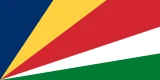 Seychelles
 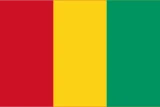 Guinea
 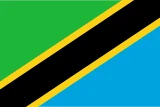 Tanzania
 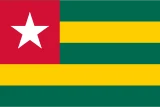 Togo
Togo 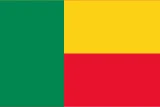 Benin
Benin 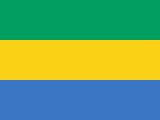 Gabon
Gabon 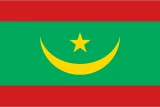 Mauritania
 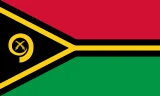 Vanuatu
 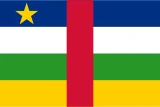 Central African Republic
 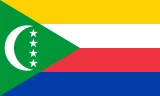 Comoros
 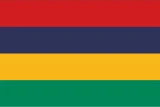 Mauritius
 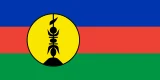 New Caledonia
 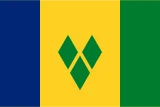 St. Vincent & Grenadines
 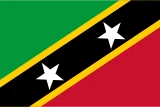 St. Kitts & Nevis
 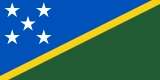 Solomon Islands
 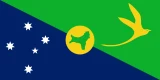 Christmas Island
 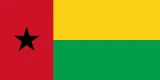 Guinea-Bissau
 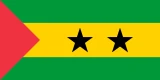 São Tomé & Príncipe
 Which countries have green and yellow flags?
The flags group into four families.
- Green, yellow and red tricolors in Africa: Ghana, Senegal, Mali, Guinea, Guinea-Bissau, Benin, Togo, Cameroon, Republic of the Congo, Mauritania and São Tomé & Príncipe. Ethiopia pioneered the palette. Stripes are vertical in Mali, Senegal, Guinea and Cameroon, and horizontal in Ghana.
- Americas: Brazil (yellow diamond on green), Bolivia (red, yellow, green horizontal stripes), Jamaica (gold cross on green and black), Guyana, Grenada, Dominica and St. Kitts & Nevis.
- Europe and Asia: Lithuania (yellow, green, red horizontal stripes) and Myanmar (yellow, green, red with a white star).
- Islands and others: the Cocos (Keeling) Islands, Christmas Island, Solomon Islands, Seychelles, Comoros, Mauritius, New Caledonia, Vanuatu, Tanzania, Rwanda, Gabon, Eritrea, Central African Republic, St. Vincent & Grenadines and South Africa.
To pick them out, remember that Ghana has a black star, Senegal a green star and Mali none, while Guinea simply reverses the order of Mali.
Why are green and yellow so common on flags?
Green stands for land, forests and farming, and yellow for sun, gold or mineral wealth. The pair is easy to draw, and works as a natural pair for tropical countries.
The main reason for the African cluster is history. Ethiopia was never colonized for long and its green, yellow and red flag became a symbol of independence. When Ghana became the first sub-Saharan colony to gain independence in 1957, it used red, gold and green with a black star, and many nations followed. Together these colors form the Pan-African palette.
Brazil's green and yellow date from the imperial era and are traditionally linked to the royal houses of Braganza and Habsburg. Lithuania's flag was adopted in 1918 and restored in 1989 and uses yellow for sunlight and fields, green for forests, and red for the blood shed in defense of the country.
Frequently asked questions
What country's flag is yellow and green?
Brazil is the best known, with a yellow diamond on green. Many African countries, including Ghana and Senegal, combine yellow and green with red.
Which flag has only green and yellow?
The Cocos (Keeling) Islands. It has a green field with a gold palm tree, a crescent and the Southern Cross.
What are the Pan-African colors?
Green, yellow (or gold) and red, first used by Ethiopia and later adopted by Ghana, Senegal, Mali and many other African countries.
Which flag is yellow, green and red?
Lithuania has yellow, green and red horizontal stripes. Myanmar has the same colors with a white star.