Flag of the Cayman Islands
The Cayman Islands flag is a British blue ensign: a dark blue field with the Union Jack in the upper left corner and the territory's coat of arms in a white disc on the right. It dates from 1958.
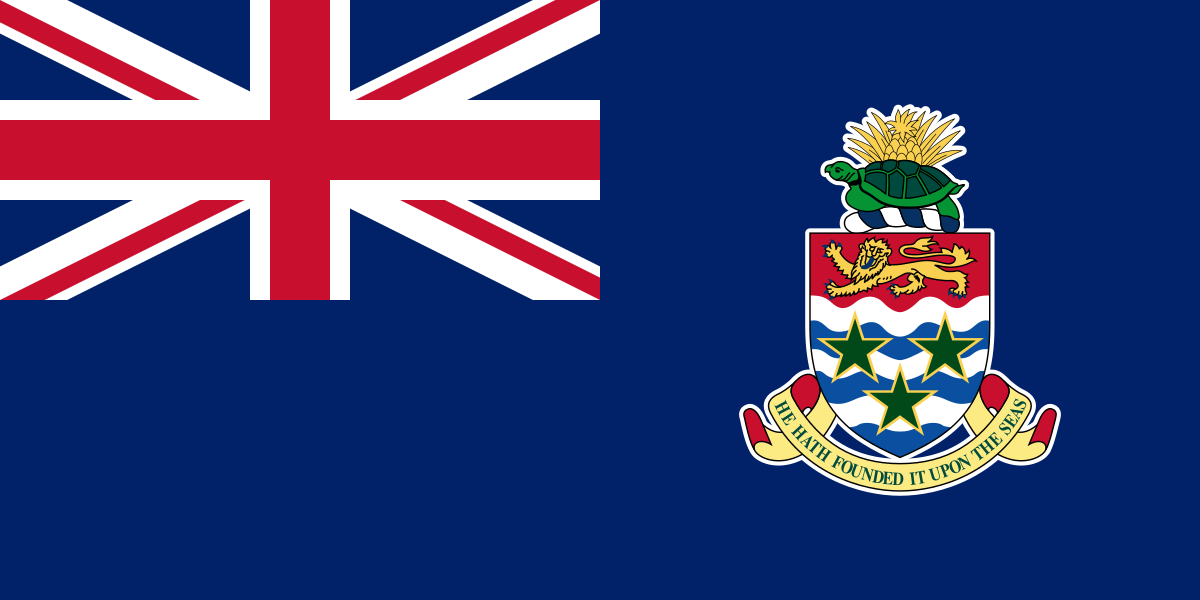
What the flag of the Cayman Islands looks like
The flag has a dark blue field and a width-to-height ratio of 1:2. The Union Jack takes up the canton, the upper corner next to the pole. On the fly side is the Cayman coat of arms, set in a white disc.
The shield in the coat of arms has a red upper part with a golden lion, and wavy blue and white lines below with three stars. Above the shield is a green turtle on a rope, with a pineapple on top of the rope. Underneath is a scroll with the motto "He hath founded it upon the seas".
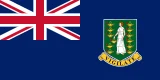
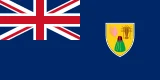
This layout is the same as the flags of several other British Overseas Territories, such as the British Virgin Islands and the Turks and Caicos Islands. They all have a blue ensign with the territory's own badge or arms.
Cayman Islands flag colors
Color codes measured from the official design. Use HEX for the web and CMYK for print.
HEX
#012169RGB
1, 33, 105CMYK
99, 69, 0, 59 HEX
#C8102ERGB
200, 16, 46CMYK
0, 92, 77, 22 HEX
#FFFFFFRGB
255, 255, 255CMYK
0, 0, 0, 0 Cayman Islands flag meaning and symbolism
The Union Jack shows the territory's status as a British Overseas Territory. The rest of the meaning is found in the coat of arms.
- The three stars represent the three islands: Grand Cayman, Cayman Brac and Little Cayman.
- The wavy lines represent the sea around them.
- The lion is a symbol of Britain.
- The turtle refers to the green turtles that once drew sailors to the islands. Columbus's first name for them was Las Tortugas.
- The pineapple is said to signify the historical link with Jamaica, since the Cayman Islands were governed as a dependency of Jamaica until 1962.
The motto is taken from the Book of Psalms, and refers to the islands' life at sea.
History of the Cayman Islands flag
The islands were sighted by Columbus in 1503 and were later called Caymanas, from a word for the caiman crocodile. Britain took control under the Treaty of Madrid in 1670, and settlement grew in the 18th century. From the 19th century the islands were administered with Jamaica. For many years the British Blue Ensign or the Union Jack was used.
The coat of arms was granted in 1958, and the flag, which uses it, was introduced in the same year, shortly before the Cayman Islands gained a separate constitution from Jamaica in 1959. When Jamaica became independent in 1962, the Cayman Islands chose to stay British and now have the status of a British Overseas Territory. A red ensign with the same arms is used on civilian ships, while the blue version is the government ensign and the usual flag on land.
Cayman Islands flag facts
| Country | Cayman Islands |
|---|---|
| Flag adopted | May 14, 1999 |
| Proportions | 1:2 |
| Colors | #012169, #C8102E, #FFFFFF |
| Symbols | field, coat of arms of the Cayman Islands, Union Jack |
| Flag emoji | 🇰🇾 |
| Country code | KY, CYM (ISO 3166) |
| Capital | George Town |
| Continent | North America |
| Population | 88,833 |
| Area | 264 km² |
| Currency | Cayman Islands dollar |
| National anthem | God Save the King |
Cayman Islands flag: frequently asked questions
Is the Cayman Islands flag red or blue?
The main flag is blue. A red version of the ensign with the same coat of arms is used on civilian vessels at sea.
What country owns the Cayman Islands?
The Cayman Islands are a British Overseas Territory. They have their own government and legislature, and the United Kingdom is responsible for defense and foreign affairs.
Are Cayman Islanders British citizens?
Most Caymanians hold British Overseas Territories citizenship, and many have full British citizenship, which has been granted to people from the territories since 2002.
What is the Cayman Islands flag emoji?
It shows the blue ensign with the Union Jack and the coat of arms. Browse it on the Cayman Islands flag emoji page.
What is the national animal of the Cayman Islands?
The green turtle on the coat of arms is the best-known symbol. The islands are also known for the blue iguana, which lives on Grand Cayman.