Flag of Lebanon
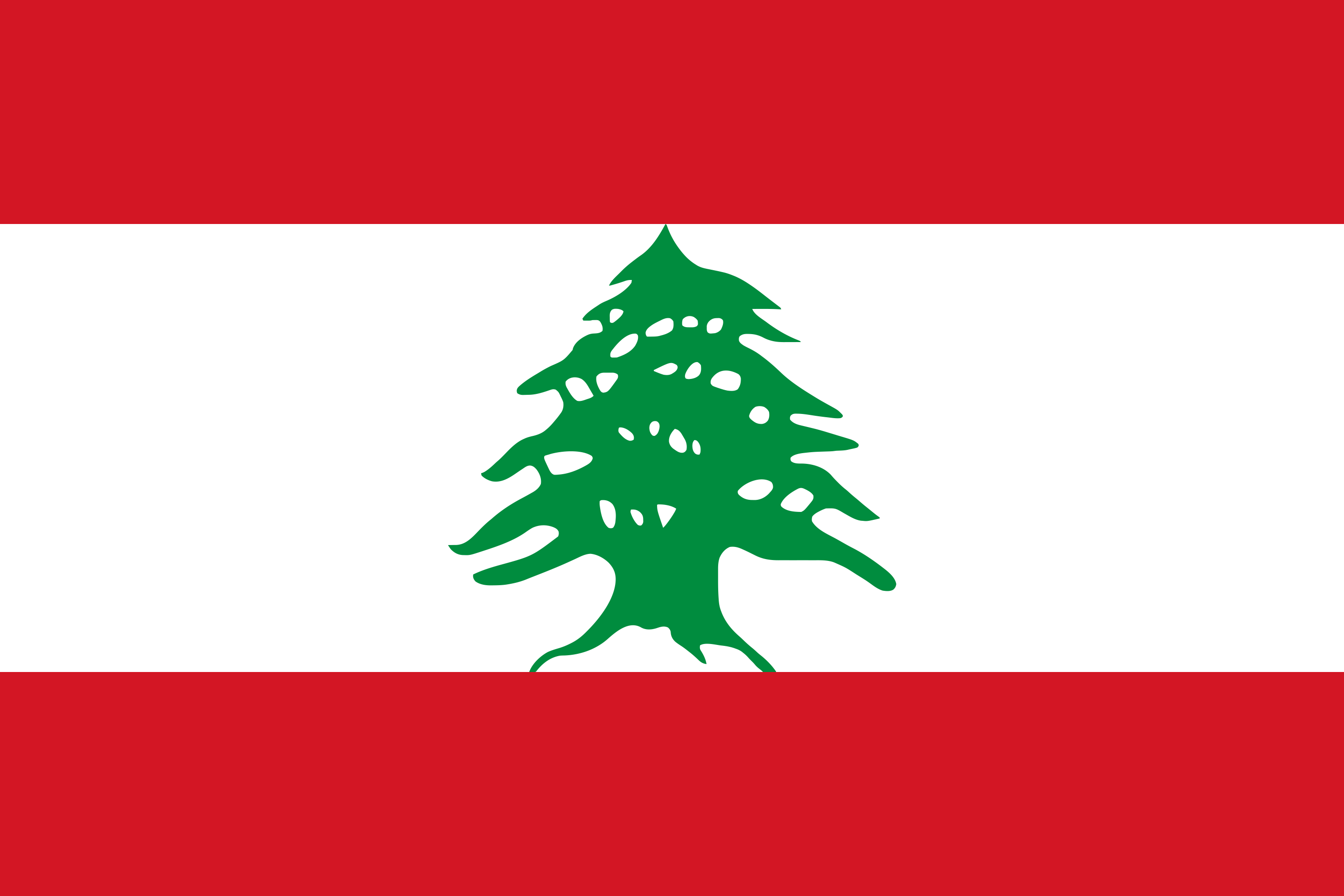
The flag of Lebanon is a horizontal triband of red, white and red with a green cedar tree in the middle of the white band. The cedar, a tree tied to the land since ancient times, is the country's national emblem.
What the flag of Lebanon looks like
The Lebanese flag has three horizontal bands. The white band in the middle is twice the height of each red band, so the flag is split into four equal parts: one red, two white, one red. The proportions are 2:3.
In the center of the white band is a green Lebanon cedar (Cedrus libani), which occupies one third of the white band, with its top touching the upper red band and its base touching the lower one. Before 1990 the constitution did not specify the color of the tree, and it was often drawn with a brown trunk; since 21 September 1990 the entire cedar must be green. The drawing of the tree still varies a little between flags, because the constitution describes the layout rather than every detail.
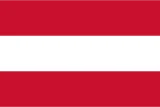
The red-white-red pattern is shared with Austria, but the cedar makes the Lebanese flag easy to recognize at a glance, even in the small form of the Lebanon flag emoji.
Lebanon flag colors
Color codes measured from the official design. Use HEX for the web and CMYK for print.
HEX
#D31624RGB
211, 22, 36CMYK
0, 90, 83, 17 HEX
#FFFFFFRGB
255, 255, 255CMYK
0, 0, 0, 0 HEX
#008C3ERGB
0, 140, 62CMYK
100, 0, 56, 45 Lebanon flag meaning and symbolism
The cedar is the center of the flag's meaning. Mountains in Lebanon have been covered by cedar forests since ancient times, and the tree appears in the Hebrew Bible, where cedar of Lebanon is used for the temple built by King Solomon in Jerusalem. The Epic of Gilgamesh also features cedar, and the ancient Egyptians used the wood in shipbuilding. Today the cedar is understood to stand for immortality, resilience and hope.
The red bands are commonly said to represent the blood shed for the country's freedom, and the white band to represent peace and the purity of its people, and sometimes the snow on the mountain peaks. Broader readings link red with sacrifice and strength, white with peace and purity, and green with hope and renewal. These readings are traditional and are not set out in the constitution.
The Cedars of God forest near Bsharri, in the north, is one of the last remaining groves of ancient cedars and is part of a UNESCO World Heritage Site. So yes, cedars of Lebanon still exist, though only a small part of the original forests survives.
History of the Lebanese flag
Lebanon was part of the Ottoman Empire until the end of the First World War, after which it fell under a French mandate. The cedar had been an emblem of the Maronite community since the 18th century, and a white flag with a green cedar was recorded in 1848. After the war the French tricolor with a cedar on the white band was proposed by Lebanese emigrant groups and was raised in Baabda in March 1920.
The tricolor with the cedar was officially adopted on 23 May 1926 in Article 5 of the Lebanese Constitution. In 1943, after elections, the new government unilaterally abolished the French mandate. On 11 November 1943 seven members of parliament devised the new flag, which kept the cedar but replaced the tricolor with red-white-red horizontal bands. It was formally written into the constitution on 7 December 1943, and first raised on 21 November 1943. The French authorities briefly arrested the country's leaders in November 1943, and their release on 22 November is celebrated as Independence Day. French troops left in 1946.
The layout has not changed since 1943. The main later change came on 21 September 1990, when the constitution was amended so that the whole cedar is green, replacing the earlier version with a brown trunk. Since 1979, 21 November has been National Flag Day.
Flags that look like the Lebanese flag
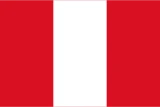
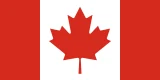
Flags with red and white bands are common. Austria has equal red-white-red stripes and no emblem, Peru has vertical stripes with a coat of arms on some versions, and Canada has a red maple leaf on a white square between red bars. The green cedar is what makes Lebanon's flag distinct. See all flags of the world to compare more designs.
Lebanon flag facts
| Country | Lebanon |
|---|---|
| Flag adopted | December 7, 1943 |
| Proportions | 2:3 |
| Colors | #D31624, #FFFFFF, #008C3E |
| Symbols | Cedrus libani |
| Flag emoji | 🇱🇧 |
| Country code | LB, LBN (ISO 3166) |
| Capital | Beirut |
| Continent | Asia |
| Population | 6,100,075 |
| Area | 10,452 km² |
| Currency | Lebanese pound |
| National anthem | Lebanese national anthem |
Lebanon flag: frequently asked questions
Why does the Lebanese flag have a tree on it?
The tree is a Lebanon cedar, a symbol of the country for thousands of years. It appears in the Bible and in ancient literature, and it is read as a sign of immortality, resilience and hope. It had been a Maronite emblem since the 18th century and was placed on the flag in the French mandate period.
Did Lebanon change its flag?
Yes. Under the French mandate, Lebanon used a tricolor of blue, white and red with a cedar on the white part, adopted in 1926. In 1943, as the country gained independence, it switched to the current red-white-red design. The only later change was in 1990, when the cedar was made entirely green.
What flag is similar to Lebanon?
Austria's flag also has red-white-red horizontal bands, and Canada and Peru use red and white in similar patterns. Only Lebanon has a green cedar tree in the center.
Do cedars of Lebanon still exist?
Yes. Cedar groves survive in the mountains, the most famous being the Cedars of God near Bsharri, listed by UNESCO. Centuries of logging cut down most of the old forests, so the remaining trees are protected.
Is Lebanon part of Africa or Asia?
Lebanon is in Asia. It is in Western Asia, on the eastern shore of the Mediterranean Sea, with Syria to the north and east and Israel to the south.
What do the colors of the Lebanese flag mean?
The red stripes are commonly interpreted as the blood shed in the struggle for independence, and the white stripe as peace, purity and the snow-capped mountains. The green cedar stands for immortality, resilience and hope. These meanings are traditional, not written in the constitution.
When was the Lebanese flag adopted?
The current flag was adopted on 7 December 1943, shortly before independence from France, and the cedar was made entirely green in 1990. Lebanon has marked 21 November as National Flag Day since 1979, the date of the first flag-raising in 1943.
Why are the cedars of Lebanon so valuable?
Cedar wood is durable and resistant to pests. It was used to build sacred structures such as Solomon's Temple, and the ancient Egyptians used its resin for mummification and its wood for ships. The tree is mentioned 103 times in the Bible.